

Ferro-Magnetic Iron PLA Composite Filament
Couldn't load pickup availability
Description
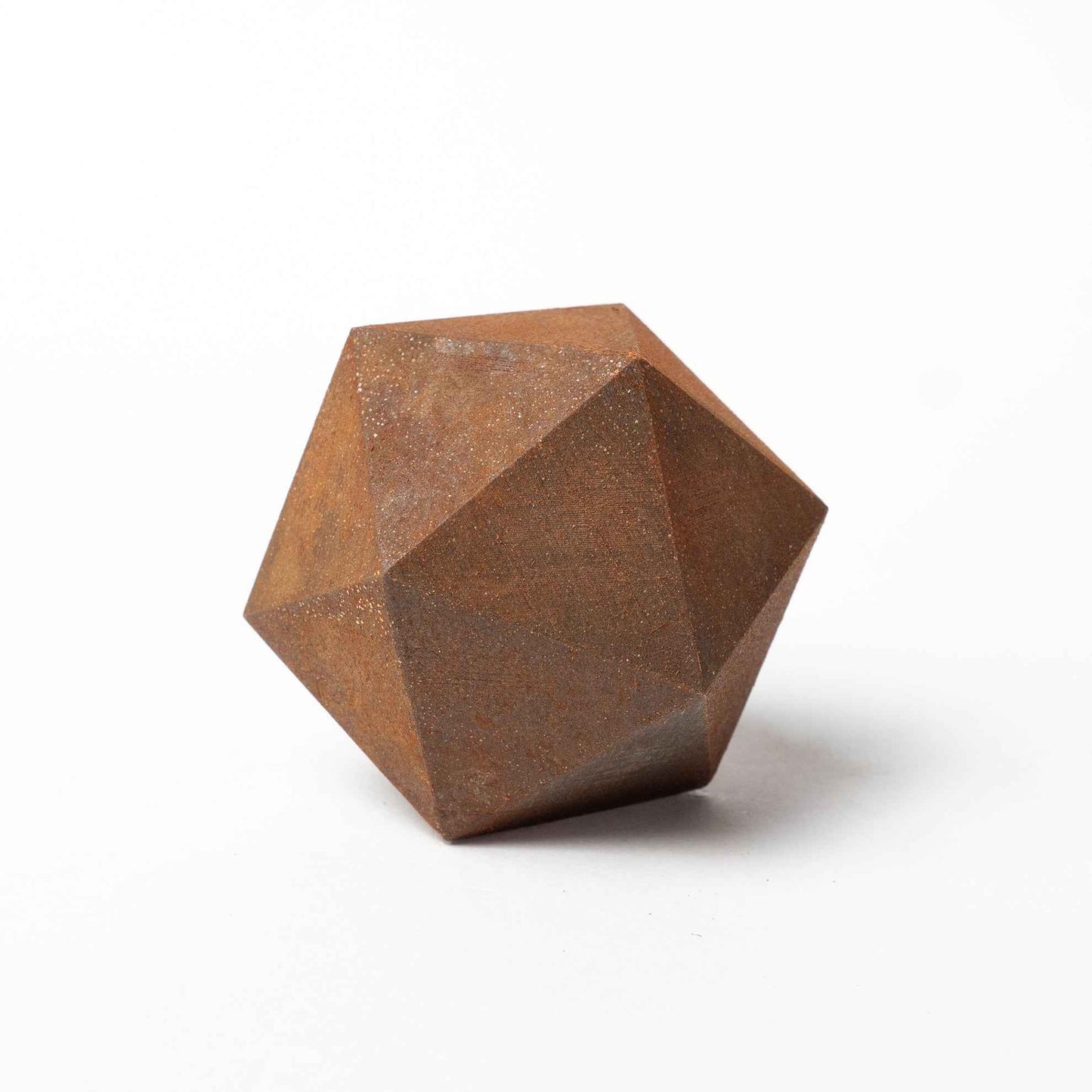
Real iron in every strand. This is Proto-Pasta's iron-filled PLA composite — actual iron powder blended into PLA, so the printed part is genuinely ferromagnetic: a magnet pulls on it hard and it behaves much like solid iron, even though it isn't a magnet itself. Prints come out with a dense, matte, cast-metal look and can be rusted to a real patina when you want one.
It's the practical choice when a part only needs to respond to a magnet. Rather than forging, casting, or milling steel for a mild magnetic job, you print the exact shape you want and let a strong magnet do the holding — magnet-ready terrain floors, removable panels and hatches, fixtures, and display pieces that snap into place.
Specs
- Material: iron-filled PLA composite (real iron powder, ferromagnetic)
- Diameter: 1.75 mm
- Density: about 1.85 g/cc — roughly 1.5× standard PLA, so parts feel weighty
- Finish: matte cast-metal as printed; rustable for a true iron patina
- Sizes: 100 g coil, 500 g spool, 1 kg spool
- Made in the USA by Proto-Pasta
Printing notes
- Nozzle temperature: Proto-Pasta lists 185–215 °C. For solid, high-infill prints like terrain floors, run hotter — around 220–230 °C — for consistent flow, especially with a hardened steel nozzle. Keep the first layer hot for adhesion.
- Bed: room temperature up to 60 °C — hotter can worsen warp
- Nozzle: the iron is abrasive, so a hardened or wear-resistant nozzle is best for extended use; plan on replacing plain brass eventually
- Nozzle size: 0.6 mm or larger preferred; 0.4 mm works; smaller is expert-only and prone to clogging
- Layer height: 0.15–0.20 mm balances quality and reliability
- Prints on a standard PLA profile. In filament form it's a little more brittle than regular PLA, so handle the strand with care.
Rust & finishing
Left alone, prints keep a stable matte metal finish. To weather them, apply a rusting solution and build up the patina; once you like it, seal with a matte clear coat or fixative so the rust doesn't rub off. A sealer also helps keep parts from rusting on their own in humid storage.
Pair it with strong magnets
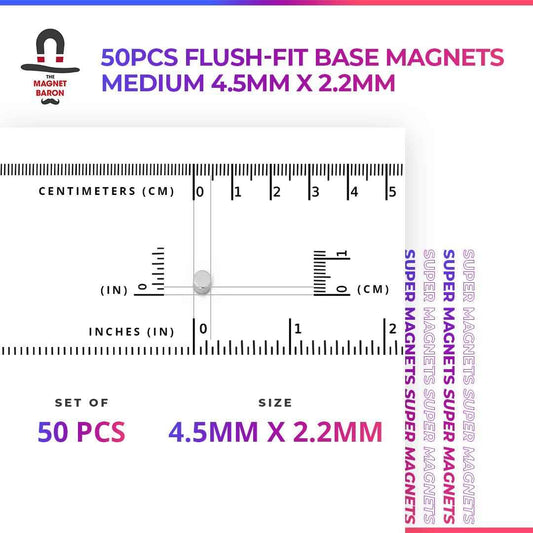
Because the print only responds to a magnet, the hold comes from the magnet you pair it with. We recommend high-strength N52 neodymium magnets for a firm, reliable grab. For parts whose job is to hold, print them solid (around 100% infill) and 2–3 mm thick where the magnet sits, so there's enough iron for it to grab. Seat the magnet in the mating part and let the iron-filled print be the surface it locks onto.
CALIFORNIA WARNING: This product can expose you to nickel, which is known to the State of California to cause cancer. For more information go to www.P65Warnings.ca.gov.


Ferro-Magnetic Iron PLA Composite Filament
$9.00Bestsellers
View all-
Flush-Fit Base Magnets for Warhammer 40K, Age of Sigmar & The Old World
Regular price From $17.99 USDRegular priceUnit price per -
Maxi-Cure Plus Super Glue For Magnets
Regular price From $4.99 USDRegular priceUnit price per -
Magnicators V2
Regular price $19.99 USDRegular priceUnit price per -
Questoris Knight No-Drill Magnetization Kit
Regular price $49.99 USDRegular priceUnit price per