Magnets for Miniature Transport: Steel Sheet vs. Magnetic Tray Comparison
You magnetized your army. Now you need to get it to the game store in one piece. The two main approaches for magnetic miniature transport are steel sheet cases and magnetic tray cases. Both work. Both have tradeoffs. Here's how they compare and which magnets to use with each.
How Magnetic Transport Works
Every magnetic transport system relies on the same principle: a magnet on the base of your miniature attracts to a ferromagnetic surface inside a case. The difference between systems is what provides that ferromagnetic surface and how the case is built around it.
Option 1: Steel Sheet Cases (DIY & Affordable)
The simplest approach: put a steel sheet inside any container. Your neodymium basing magnets stick directly to the steel. Done.
Cookie Sheet / Sheet Metal in a Container
The classic budget option. Buy a thin steel sheet from the hardware store, cut it to fit inside a toolbox, art supply case, or storage bin. Total cost: under $10 for the sheet plus whatever container you already own. The steel needs to be ferromagnetic — test it with a magnet before buying. Stainless steel is often non-magnetic, so plain carbon steel or galvanized sheet metal works best.
Really Useful Box + Steel Trays
A more refined version of the DIY approach. Really Useful Boxes are popular among miniature hobbyists because they're durable, stackable, and come in useful sizes. Pair them with adhesive-backed steel magnetization trays that fit inside, and you have a clean, modular transport system at a fraction of the cost of commercial cases.
 Really Useful Box 4L & 9L Magnetization Trays with Adhesive
Regular price
Price
$16.99
Pros of Steel Sheet Cases
- Cheap. A steel sheet costs a few dollars. The container is often something you already have.
- Customizable. Cut the sheet to any size, fit it in any container.
- Strong hold. Neodymium magnets grip steel hard. A 3mm x 2mm disc magnet on a steel sheet will hold a standard infantry model through vigorous shaking.
- Stackable. With the right containers (like Really Useful Boxes), you can stack multiple trays.
Cons of Steel Sheet Cases
- Heavier. Steel adds weight, especially for large cases.
- Sharp edges. Cut steel sheets need filing or taping on the edges.
- No foam padding. If a model breaks free, it's sliding on a hard surface.
Which Magnets for Steel Sheet Cases
Use neodymium disc magnets glued into the base of each miniature. The magnets stick directly to the steel. Common sizes:
- 3mm x 2mm — standard infantry, most 28-32mm models
- 5mm x 2mm — heavier infantry, multi-part models, characters
- 6mm x 2mm — large models, vehicles, anything with a big base
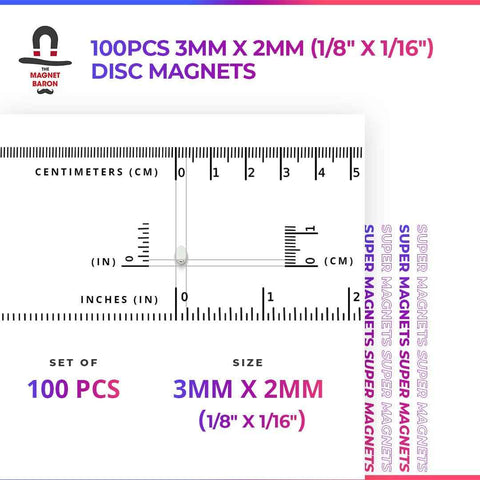 100pcs 3mm x 2mm (Approximately 1/8" x 1/16") Disc Magnets
Regular price
Price
$15.99
 50pcs 5mm x 2mm (Approximately 3/16" x 1/16") Disc Magnets
Regular price
Price
$15.99
Option 2: Commercial Magnetic Tray Cases
Products like Magna Rack, Table War, A-Case, and Battlefoam magnetic systems use magnetic sheets built into custom-designed cases with foam trays. Instead of your magnets gripping a steel surface, the case itself has magnetic material that attracts to ferromagnetic bases or magnets on your models.
How They Work
Most commercial magnetic cases use flexible magnetic sheets (similar to fridge magnets) lining the trays. These attract to steel or ferromagnetic material on your model's base. Some systems work the other way — magnetic trays that attract to neodymium magnets in your bases.
Pros of Commercial Magnetic Cases
- Professional build quality. Purpose-built for miniatures with proper latches, handles, and padding.
- Convenient. No DIY, no cutting steel, no filing edges. Buy it and use it.
- Foam protection. Most include foam layers that cushion models if they break free.
- Designed for the hobby. Tray sizes match common army sizes and base dimensions.
Cons of Commercial Magnetic Cases
- Expensive. A full Magna Rack or Table War setup runs $60-$150+.
- Less customizable. You're locked into the tray sizes and configurations the manufacturer offers.
- Weaker hold (sometimes). Flexible magnetic sheets are weaker than neodymium-on-steel. Heavy models may need larger magnets.
Which Magnets for Commercial Magnetic Cases
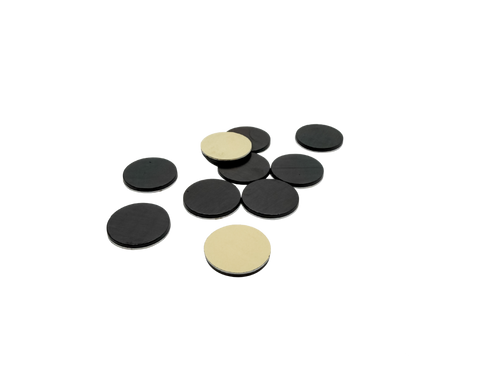
This depends on the case. If the case uses magnetic sheets that attract to steel, you can use flexible self-adhesive magnets on your bases — no drilling required. If the case uses steel trays, use neodymium disc magnets just like the DIY approach.
Option 3: Full DIY — Steel Sheet in Any Container
Don't want to buy a purpose-built case? Here are containers that work well with steel sheets:
- Toolboxes — Harbor Freight aluminum cases are a classic. Line the bottom with steel sheet.
- Art supply cases — Flat, wide, and often have compartments.
- Pizza boxes — Seriously. A clean pizza box with a steel sheet taped inside works for casual transport.
- Tackle boxes — Shallow trays work well for smaller models.
- Really Useful Boxes — The hobbyist favorite. Multiple sizes, stackable, cheap.
For any DIY setup, cut your steel sheet about 2mm smaller than the interior on each side so it lies flat. Use adhesive or double-sided tape to secure it. Sand or file any sharp edges.
Head-to-Head: Which Should You Choose?
| Factor | Steel Sheet (DIY) | Commercial Magnetic Case |
|---|---|---|
| Cost | $5-$20 | $60-$150+ |
| Hold strength | Strong (neodymium on steel) | Moderate to strong (varies) |
| Setup effort | Some cutting/fitting | None |
| Customization | Any container, any size | Limited to available sizes |
| Protection | Hard surface only | Foam padding included |
| Weight | Heavier (steel) | Lighter (magnetic sheets) |
| Professional look | Functional | Polished |
Our Recommendation
For most hobbyists, a steel sheet setup wins on value. A set of Really Useful Boxes with steel magnetization trays gives you a modular, stackable transport system for a fraction of the cost of commercial cases. Pair them with neodymium disc magnets in your bases and the hold is stronger than any flexible magnetic sheet.
If you want zero hassle and don't mind the price, commercial magnetic cases are convenient and well-built. Just make sure you understand whether the case needs neodymium magnets or flexible magnets on your bases — it varies by manufacturer.
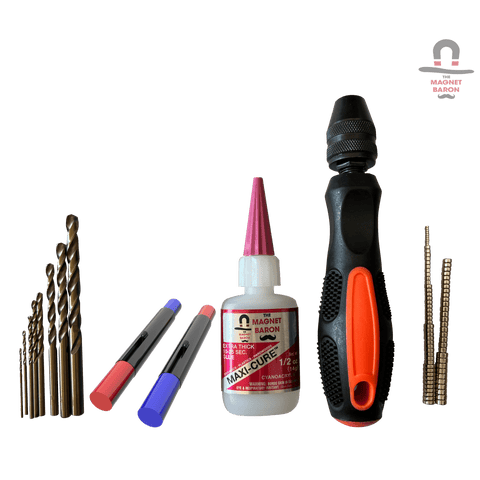
Either way, the magnetization starts with the same step: magnets in your miniature bases. The starter pack includes everything you need to get started with basing magnets and a matched drill bit.